A Take a look at the Future: Patterns Shaping the Future Generation of Light Weight Aluminum Foundries
The light weight aluminum factory market bases on the brink of substantial adjustment. Automation and advanced innovation pledge to reshape manufacturing procedures. Sustainability practices are coming to be vital to satisfy ecological requirements. As personalization needs increase, the requirement for flexibility in making expands. Joint initiatives with technology companions might drive development. These emerging fads suggest a pivotal change waits for. What obstacles and possibilities exist ahead for aluminum foundries in this advancing landscape?
The Rise of Automation in Aluminum Foundries
The assimilation of automation in aluminum shops is reshaping the sector landscape. As producers adopt innovative modern technologies, processes commonly reliant on manual work are becoming progressively automated. This shift not just enhances manufacturing efficiency yet also decreases human error, causing an extra constant product top quality. Robotics and expert system systems are being used for tasks such as mold preparation, putting, and ending up, streamlining procedures and decreasing lead times.
Automation assists in the collection and evaluation of information, enabling factories to enhance their procedures constantly. Anticipating upkeep powered by sensing units helps in anticipating devices failings, resulting in reduced downtime. The workforce is likewise progressing, as staff members are adjusting right into roles that need oversight of automated systems, concentrating on higher-level analytic and technology. Overall, the rise of automation in aluminum foundries represents a substantial development, positioning the market for improved productivity and competition in a swiftly transforming market.
Accepting Sustainability Practices
Light weight aluminum foundries are progressively adopting sustainability methods to resolve ecological problems. Key campaigns concentrate on recycling and reuse of products, together with developments focused on improving power efficiency. Aluminum Foundry. These initiatives not just minimize waste yet additionally add to an extra lasting production procedure
Recycling and Reuse Initiatives
A substantial shift towards sustainability is reshaping the landscape of aluminum foundries, with numerous adopting ingenious recycling and reuse initiatives. This motion highlights the significance of minimizing waste and optimizing source effectiveness. Foundries are increasingly implementing closed-loop systems, allowing scrap light weight aluminum created during production to be reprocessed and reintegrated right into the production cycle. Furthermore, partnerships with regional recycling centers help with the collection of post-consumer aluminum, further sustaining lasting practices. By using advanced arranging modern technologies and reusing methods, these foundries boost the quality of recycled materials, guaranteeing they meet sector standards. Generally, these initiatives not just reduce ecological impact yet also add to cost savings, placing light weight aluminum factories as leaders in lasting manufacturing within the steel industry.
Energy Performance Innovations
Numerous light weight aluminum foundries are welcoming energy effectiveness technologies as part of their sustainability methods. These advancements consist of the assimilation of advanced innovations such as automation, man-made intelligence, and energy management systems. By enhancing manufacturing procedures, shops can considerably lower energy consumption while keeping output quality. Furthermore, lots of are investing in renewable energy sources, such as solar and wind, to power their operations, better decreasing their carbon footprint. The usage of energy-efficient heating systems and reusing heat generated during manufacturing is additionally becoming commonplace. These techniques not just contribute to ecological sustainability but additionally lead to cost financial savings for factories. As the market evolves, the commitment to energy effectiveness will likely play an important function fit the future of aluminum manufacturing.
The Impact of Expert System
As the light weight aluminum shop industry evolves, the combination of fabricated intelligence (AI) is becoming increasingly considerable. AI modern technologies are transforming production processes by improving operational efficiency and lowering waste. Predictive analytics, powered by AI, allows foundries to foresee potential equipment failures, enabling aggressive upkeep and decreasing downtime. Furthermore, AI-driven algorithms boost casting styles, leading to improved product use and improved item high quality.
AI promotes real-time tracking of manufacturing criteria, allowing immediate modifications to maintain suitable conditions. This flexibility not only improves item consistency yet also sustains energy-efficient practices. By examining vast quantities of data, AI can identify patterns and understandings that human drivers could overlook, driving continual enhancement. As these modern technologies become a lot more available, the aluminum shop sector is poised to take advantage of AI to achieve better accuracy and advancement, eventually shaping an extra sustainable and affordable future in production.
Additive Production Innovations
Additive production is rapidly transforming light weight aluminum shops by enhancing design abilities and making it possible for extra complex geometries. This development not just enables for better creative thinking in product development however additionally promotes economical manufacturing approaches. As these technologies evolve, they promise to redefine conventional manufacturing procedures in the market.
Boosted Design Abilities
Technology in design capacities has transformed the landscape of aluminum shops, particularly with the combination of additive production modern technologies. This development enables greater flexibility in developing complicated geometries that were formerly unattainable with typical approaches. Shops can currently create lightweight structures optimized for performance and functionality, reducing product waste and boosting power effectiveness. Furthermore, the rapid prototyping capabilities of additive production allow quicker versions and refinements, fostering innovation in item advancement. Collaboration in between style engineers and shop professionals has actually likewise been strengthened, bring about a lot more effective interaction and enhanced end products. As these technologies continue to evolve, the capacity for personalized remedies tailored to particular applications will further redefine the future of light weight aluminum foundries.
Cost-Effective Manufacturing Techniques
Arising trends in affordable production methods have transformed the aluminum foundry field, especially through advancements in additive production. This innovation enables the rapid manufacturing of complex geometries with lowered material waste, substantially reducing costs. By using 3D printing techniques, factories can develop intricate elements that typical techniques struggle to accomplish, improving design versatility. Furthermore, additive manufacturing simplifies prototyping processes, permitting quicker iterations and faster time-to-market. These developments not just optimize production effectiveness but likewise add to sustainability initiatives by decreasing scrap. As aluminum factories significantly take on these methods, they place themselves to satisfy expanding need while keeping competitive pricing, inevitably transforming the landscape of light weight aluminum production.
Enhancing Quality Assurance Procedures
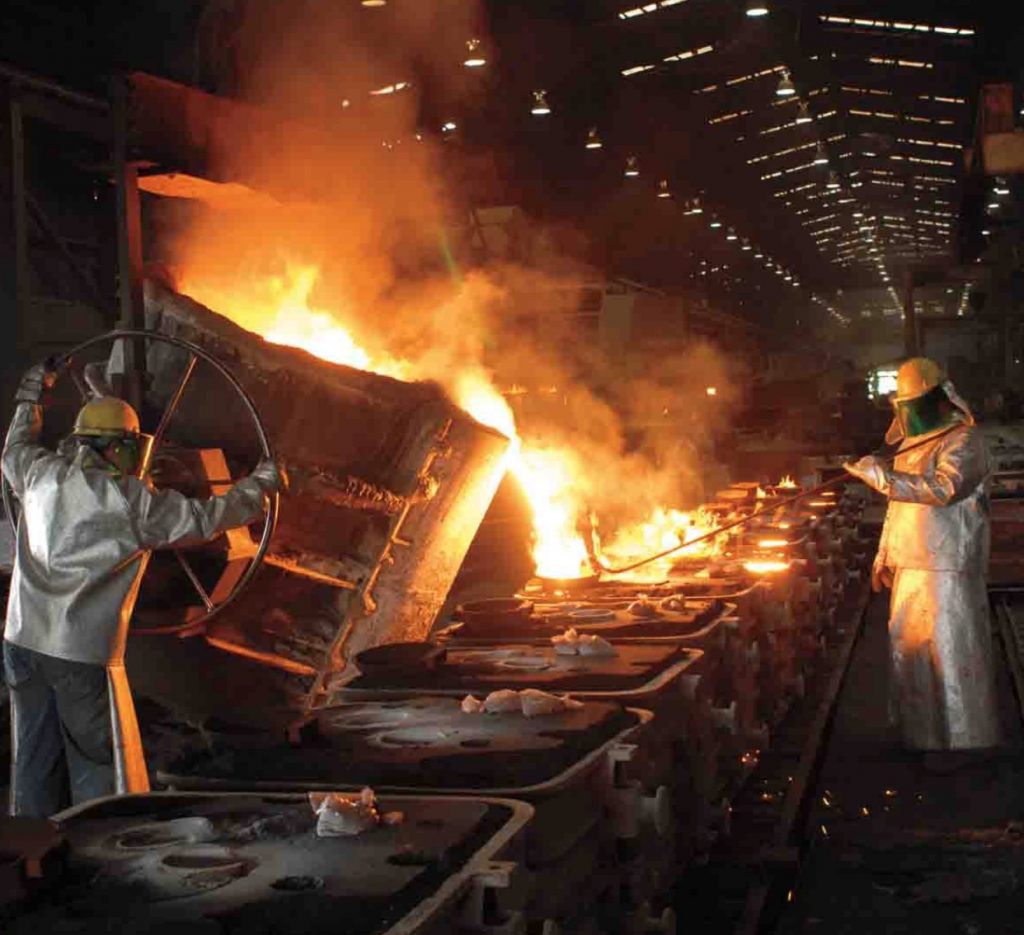
Moreover, lots of factories are executing standardized operating treatments and extensive screening protocols. By cultivating a culture of liability and constant enhancement, they intend to reduce variants in manufacturing top quality. Educating programs for employees are likewise being focused on to safeguard that team are skilled in high quality assurance methods. Eventually, these enhanced quality assurance measures not just enhance product integrity but also strengthen the online reputation of light weight aluminum factories in a competitive industry, leading the way for long-term success and sustainability.
The Change Towards Customization and Flexibility
As light weight aluminum factories boost their quality assurance measures, they are also reacting to a boosting demand for personalization and flexibility in manufacturing - Aluminum Foundry. This shift is driven by advancing customer choices and the need for specialized items across various sectors. Factories are adjusting their processes to fit reduced volume runs and tailored layouts, enabling them to fulfill specific client requirements much more effectively. Advanced innovations, such as additive production and computer-aided design, are facilitating this improvement by enabling quick prototyping and modifications, consequently lowering lead times. Furthermore, the assimilation of clever manufacturing practices improves the flexibility of manufacturing lines, allowing foundries to pivot swiftly in feedback to market changes. The focus on customization not only boosts consumer fulfillment yet also positions factories to stay competitive in a dynamic market landscape, leading the way for technology and varied item offerings in the light weight aluminum sector
Partnerships and Collaborations in the Market

Partnerships with research establishments help with the development of lasting methods and new alloys, dealing with environmental worries and regulative demands. These cooperations additionally help in understanding sharing, allowing firms to embrace ideal methods and rapidly apply technological innovations.
Tactical partnerships with providers assure a stable supply chain for raw products and promote expense performances. As the sector deals with difficulties such as labor shortages and enhancing competitors, these collaborations are essential in driving go right here development and development. By functioning with each other, aluminum factories can better browse the intricacies of the marketplace and accomplish lasting success.
Frequently Asked Concerns
What Are the First Costs of Automating a Light Weight Aluminum Shop?
The initial expenses of automating a light weight aluminum foundry can vary substantially, normally in between hundreds of thousands to a number of million dollars, depending on the level of automation, tools quality, and particular operational demands of the center.
Just How Can Small Foundries Adopt Lasting Practices Effectively?
Small foundries can adopt lasting techniques properly by implementing energy-efficient technologies, recycling scrap materials, maximizing procedures to reduce waste, and making use of eco pleasant materials, cultivating a culture of sustainability among workers with training and understanding initiatives. Aluminum Foundry.
What Function Does Information Safety And Security Play in AI Applications?
Information protection is vital in AI applications, ensuring the protection of sensitive information, preserving user count on, and protecting against unapproved access. By applying durable protection procedures, organizations can protect information honesty and promote conformity with policies.
Exactly How Will Additive Manufacturing Affect Typical Casting Strategies?
Additive manufacturing will certainly improve traditional casting techniques by permitting much more complex geometries, lowering material waste, and reducing manufacturing times. This assimilation may lead to a hybrid strategy, enhancing efficiency and broadening design opportunities in manufacturing.
What Abilities Will Be Most sought after in Future Aluminum Foundries?
In future light weight aluminum shops, skills in additive production, information automation, sustainability, and analysis techniques will be vital. Workers skilled in environmentally-friendly procedures and advanced technologies will remain in high need, driving industry advancement and efficiency.
Factories are increasingly carrying out closed-loop systems, allowing scrap aluminum created throughout production to be reprocessed and rehabilitated right into the production cycle. Additive manufacturing is rapidly transforming light weight aluminum shops by improving layout capabilities and allowing a lot more intricate geometries. Innovation in design abilities has actually changed the Full Article landscape of light weight aluminum foundries, especially with the assimilation of additive production technologies. Emerging patterns in cost-efficient production techniques have actually transformed the aluminum shop industry, especially via advancements in additive manufacturing. As aluminum foundries enhance their high quality control steps, they are likewise responding to a boosting demand for personalization and versatility in production.